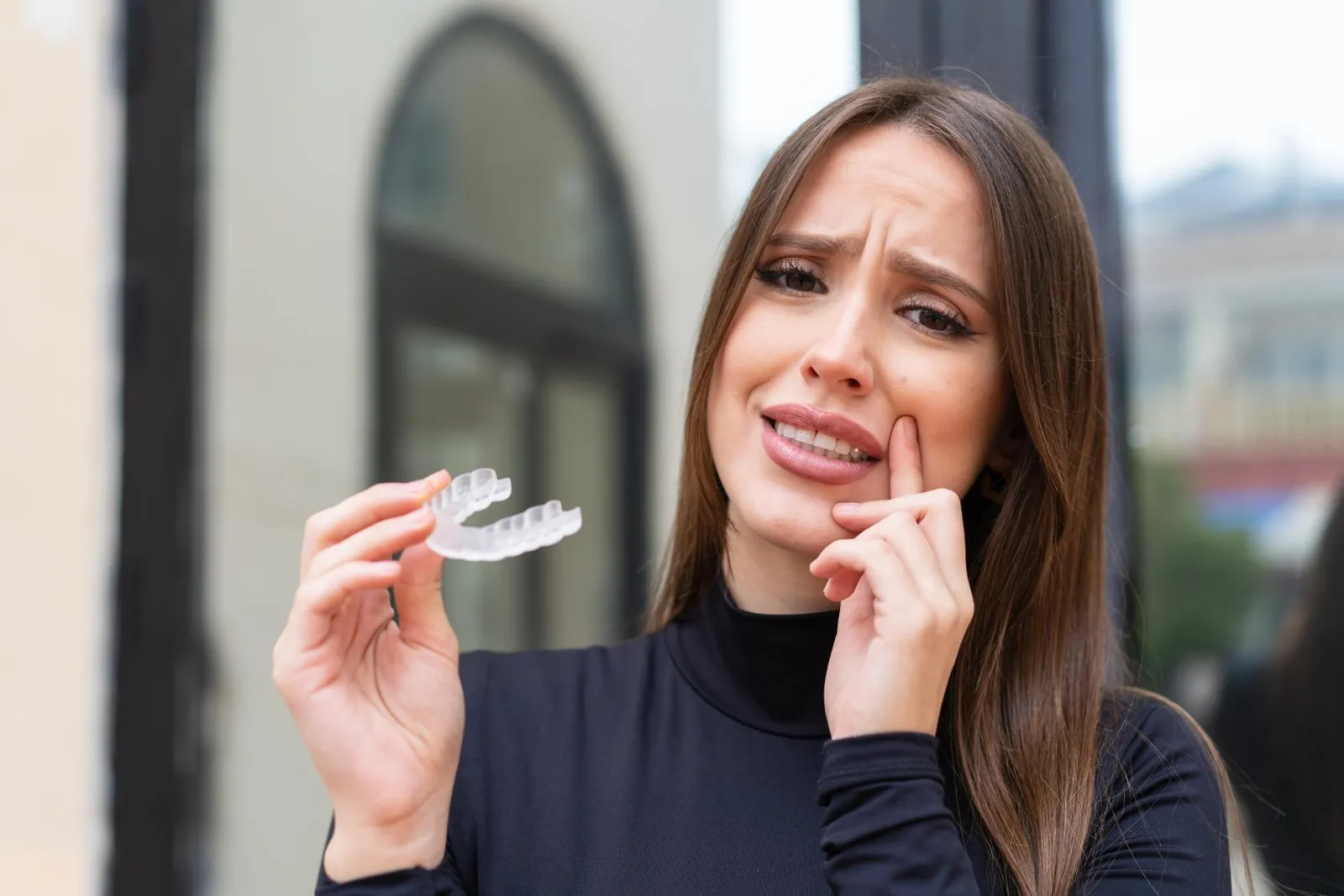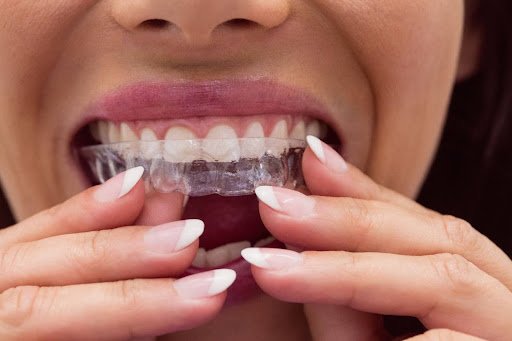

Are you thinking about straightening your teeth but unsure whether to choose braces or Invisalign? This decision can be confusing, especially when considering factors like cost, comfort, and how quickly each option works.
One of the most common questions people ask is, “Are braces faster than Invisalign?” Let’s look deeper into this question and see which one is the better choice for you. A study revealed that braces typically take around 18-24 months, while Invisalign might take slightly longer, depending on the complexity of the case. But speed isn’t everything.
Let’s break down what you need to know about these two popular options.
Are Braces Faster Than Invisalign?
When it comes to orthodontic treatment, speed matters for many people. So, are braces faster than Invisalign? There is a misconception that braces tend to move teeth faster than Invisalign. While there are some movements that Invisalign has a difficult time doing. The vast majority of cases do not require these types of movements. Thus, for most cases braces and Invisalign will take the same amount of treatment time.
The only reason braces may be faster is that they apply constant pressure on your teeth. You cannot remove them, so they work continuously, unlike Invisalign, which you must remove while eating or drinking anything sugary. If you don’t put your aligners back on immediately after eating, and wear them for the recommended 22 hours a day, it could take longer for your teeth to shift. If worn the proper way as instructed, Invisalign will move the teeth just as fast as braces.

Cost Comparison: Braces vs Invisalign
One of the biggest concerns for anyone considering orthodontic treatment is the cost. Here's a breakdown of the cost differences between braces and Invisalign:
| Treatment Option | Insurance Coverage |
|---|---|
| Metal Braces | Partially Covered |
| Ceramic Braces | Partially Covered |
| Invisalign | Partially Covered |
| Lingual Braces | Partially Covered |
| Self-ligating Braces | Partially Covered |
Comfort: What’s More Comfortable?
Comfort is a key factor that often influences the choice between braces and Invisalign. Here's the thing—braces and Invisalign move the teeth at a similar rate. Anytime you move teeth they are going to get sore. Your teeth do not know what is moving them, only that they are moving and it can cause discomfort. Whether you are wearing braces or Invisalign your teeth will get sore. Typically, it will only last 2-4 days. However, with braces you may experience possible irritation to the inside of your cheeks and lips from the braces or wires. But after several days, the cheeks and lips “toughen”, the discomfort usually subsides.
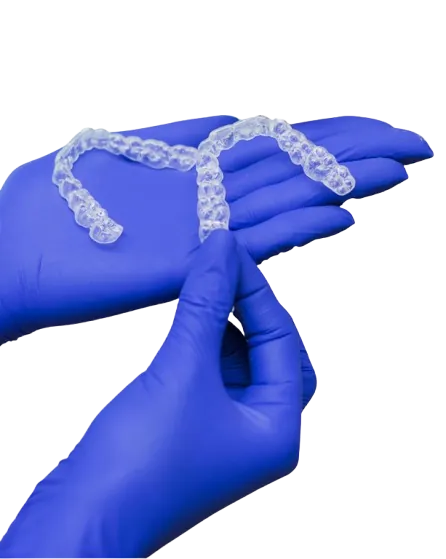
On the other hand, Invisalign aligners are smooth and made of plastic. They cause less irritation and are often considered more comfortable because they don’t have metal brackets or wires poking your gums or cheeks. However, there’s still some discomfort as your teeth shift, especially during the first few days of wearing a new set of aligners. There is no difference in the level of discomfort. It is mainly patient dependent.
When thinking about comfort:
- Braces require regular adjustments, which can cause discomfort.
- Invisalign aligners are changed every 7-10 days. Each new aligner can cause discomfort
- Invisalign aligners need to be worn 22 hours daily for effective results.
- With braces, there’s no option to remove them, meaning they’re always working.
- Braces can cause irritation on the inner cheeks, but wax can be used to ease this.
Are Braces Faster Than Invisalign in Terms of Results?
The results you achieve with both braces and Invisalign can be outstanding, but one key factor is how quickly you can get them. So, are braces faster than Invisalign for everyone? Not always. Braces can deliver quicker results for some cases, however, in other cases Invisalign may work faster. It all depends at what types of movements you are trying to make.
For most cases, Invisalign can work just as fast, if not faster. However, consistency is the key to success with Invisalign. Since you can remove them, there’s a risk of slowing down the process if you’re not wearing the aligners as much as you should.
In terms of final results, both options can give you a beautiful, straight smile.
Always consult with a professional to discuss your options and find out which one is right for you. Ready to transform your smile? Schedule a consultation today and start your journey to a straighter, healthier smile!
Key Differences Between Invisalign and Braces
| Feature | Invisalign Clear Aligners | Traditional Braces |
|---|---|---|
| Visibility | Virtually invisible | Highly visible (metal or ceramic) |
| Material | Smooth plastic | Metal, ceramic, or gold |
| Removability | Removable aligners | Fixed brackets and wires |
| Comfort | Smooth; less gum irritation | May cause discomfort, gum irritation is possible |
| Maintenance | Easy to clean aligners, no food stuck | Requires careful brushing & flossing |
| Eating Restrictions | None – remove to eat | Many people avoid sticky or hard foods |
| Treatment for Complex Cases | Limited; best for mild to moderate issues | Suitable for complex orthodontic issues |
| Adjustment Frequency | Fewer clinic visits needed | Regular adjustments (every 4–6 weeks) |
| Ideal for | Teens and adults in professional settings | Suitable for all ages |
| Speech Impact | Minor lisp initially | Rare speech impact |
Maintenance for Invisalign:
- Remove aligners while eating or drinking anything other than water
- Brush after every meal
- Clean aligners daily using Invisalign cleaning crystals or mild soap
- Store them in a case when not wearing
- Replace trays on schedule
Maintenance for Braces:
- Brush around wires and brackets carefully
- Use interdental brushes or floss threaders
- Avoid sticky, hard foods that may break wires
- Use orthodontic wax for poking wires
- Regular dental check-ups
In short, clear aligner systems need self-discipline, but braces need attention to hygiene.
Which Is Right for You? Factors to Consider
Choosing between braces and Invisalign as an orthodontic option depends on your specific needs and lifestyle. Here’s what to think about.
Consider these before deciding:
- Complexity of your orthodontic issues Severe cases? Braces are likely better. Minor misalignment? Invisalign may work.
- Age Teens and adults love Invisalign's invisible appearance. Children may do better with fixed braces.
- Lifestyle Busy schedule? Hate food restrictions? Choose removable aligners. Don’t want the hassle of removing trays? Go with braces.
- Discipline Will you remember to wear aligners 22 hours daily? If not, conventional braces are safer.
- Budget Invisalign aligners cost more in most cases. If you're budget-conscious, metal braces might be the way.
- Social or professional settings If appearance matters, the discreet appearance of Invisalign helps.
FAQs
Can Invisalign fix severely crooked teeth?
Invisalign works well for mild to moderate misalignment. But for severely crooked teeth or complex bite issues, traditional braces or other advanced orthodontic treatment options may be more effective and reliable for your orthodontic needs.
Are braces more painful than Invisalign?
Braces can cause soreness, especially after wire tightening. Invisalign aligners, made from smooth plastic, feel more comfortable and cause less gum irritation during the tooth movement process for most Invisalign patients.
Do dental insurance plans cover Invisalign?
Yes, many dental insurance plans cover part of Invisalign aligners cost. Coverage depends on your specific policy and whether it includes orthodontic treatment options like clear aligners or conventional braces.
Can I eat everything with Invisalign?
Absolutely. Just remove the Invisalign trays before eating. Unlike braces, there are no food restrictions for eating patients. You can enjoy your favourites and clean your teeth before popping the trays back in.
How often do I visit the orthodontist with braces vs Invisalign?
With traditional metal braces, visits are usually monthly for adjustments. Invisalign treatment typically requires fewer check-ins, depending on your progress and how closely you follow the treatment plan.
Ready to start your smile journey?
Book a complimentary consultation with Dr. Dante Gonzales in Dublin or Tracy, CA. We will review your case and map out a clear, personalised treatment plan.
Request ConsultationQuestions about your orthodontic care? Meet Dr. Dante A. Gonzales, DMD, MSD and our orthodontists, or contact our Dublin or Tracy team for an individual assessment.
This article is for general education and is not a substitute for a professional orthodontic evaluation. Treatment recommendations and outcomes vary from person to person.