Choosing between the different types of braces can feel overwhelming. Each option moves teeth in a slightly different way, and each comes with its own look, cost, and comfort level.
This guide compares traditional metal braces, ceramic braces, lingual braces, self-ligating braces, and clear aligners. You will also find answers to the most common questions patients ask about braces cost, pain, and the best choice.
What Are the Four Types of Braces?
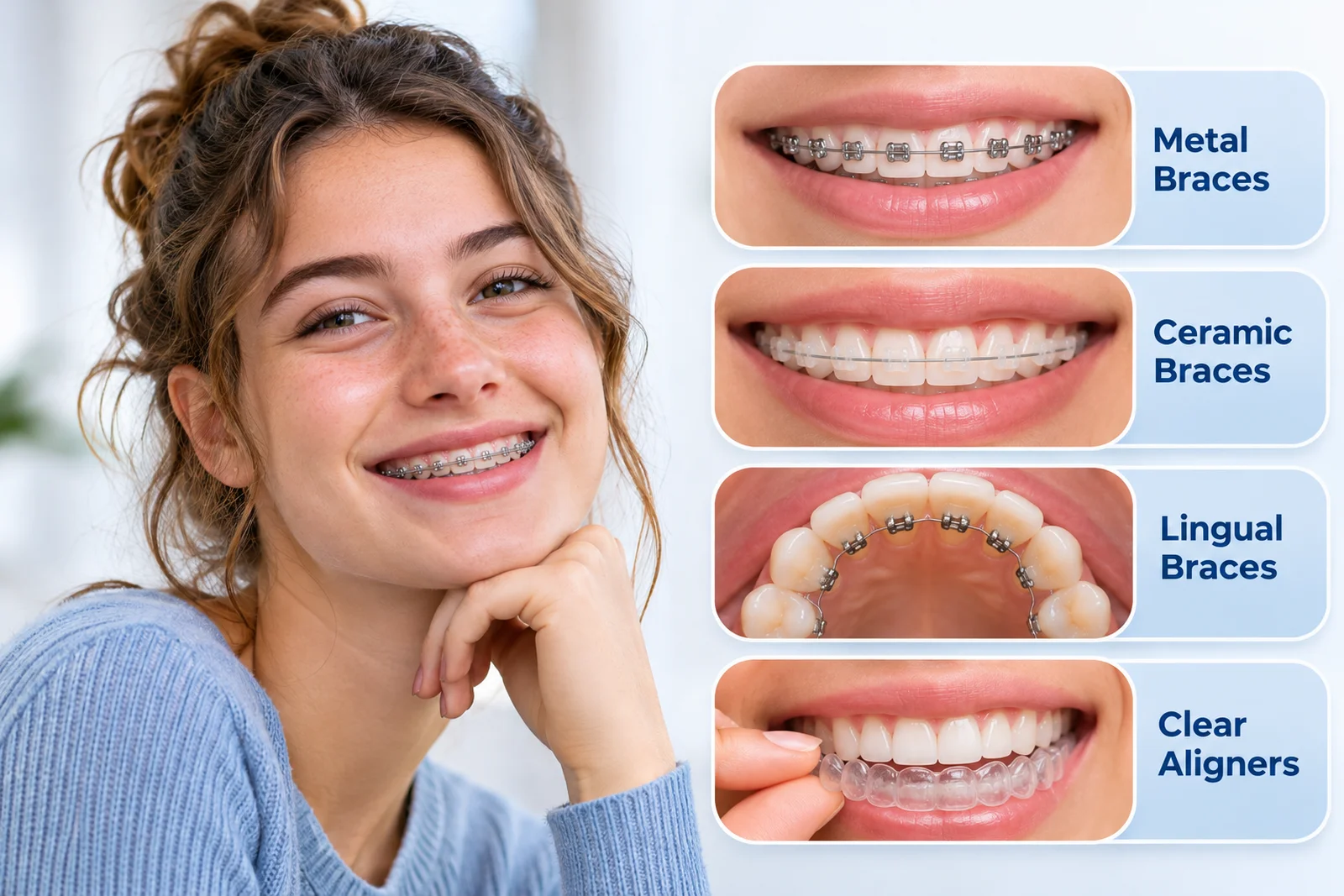
Orthodontic braces are appliances used to straighten teeth and correct bite problems. The main types of orthodontic braces include traditional metal, ceramic, lingual, self-ligating, and clear aligners.
Many people group them into four fixed and removable categories: metal, ceramic, lingual, and clear aligners. Self-ligating braces are a variation that can be built with metal or ceramic brackets.
The effectiveness of orthodontic braces can vary depending on the complexity of the case. A professional evaluation tells you which type fits your dental needs.
Traditional Metal Braces
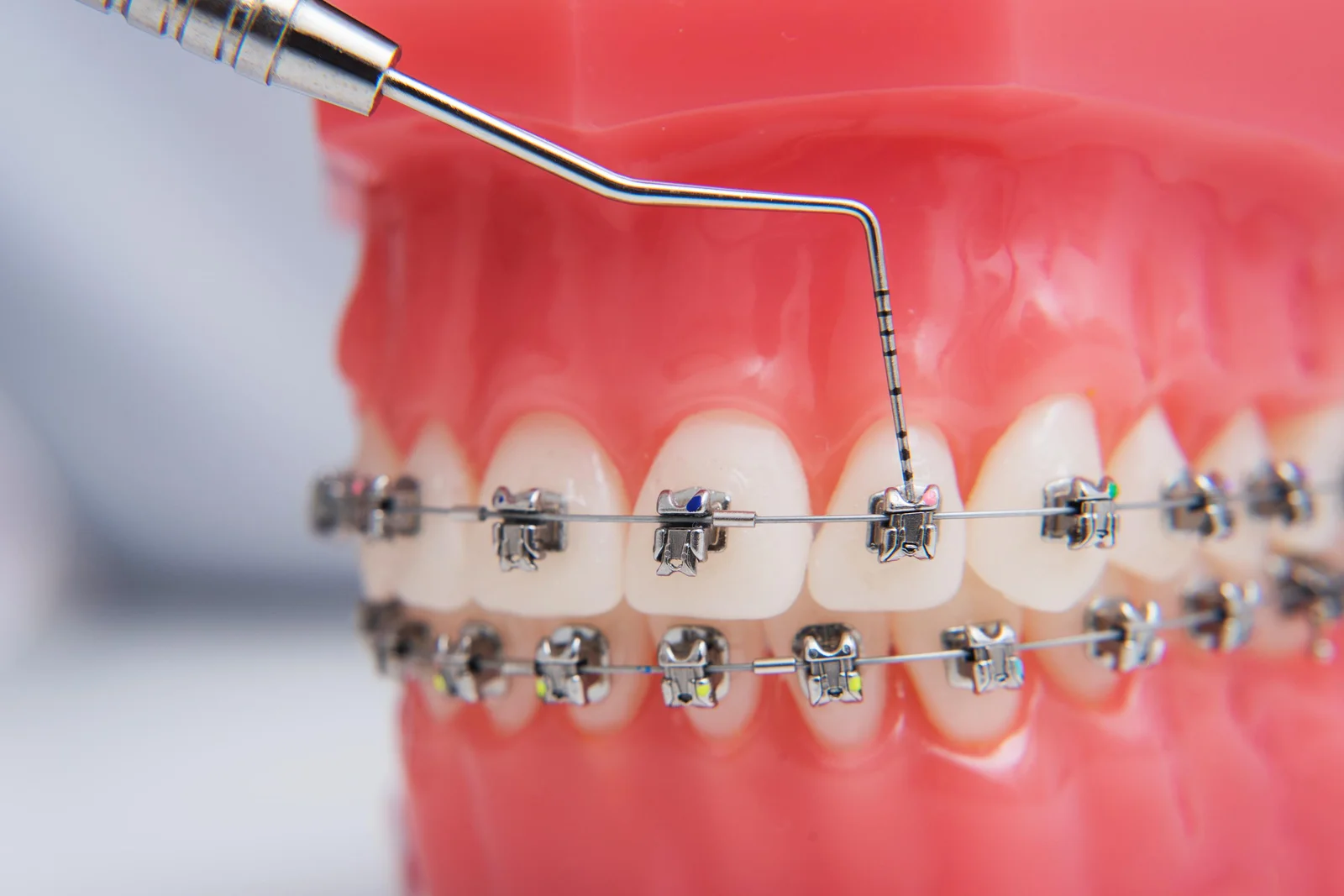
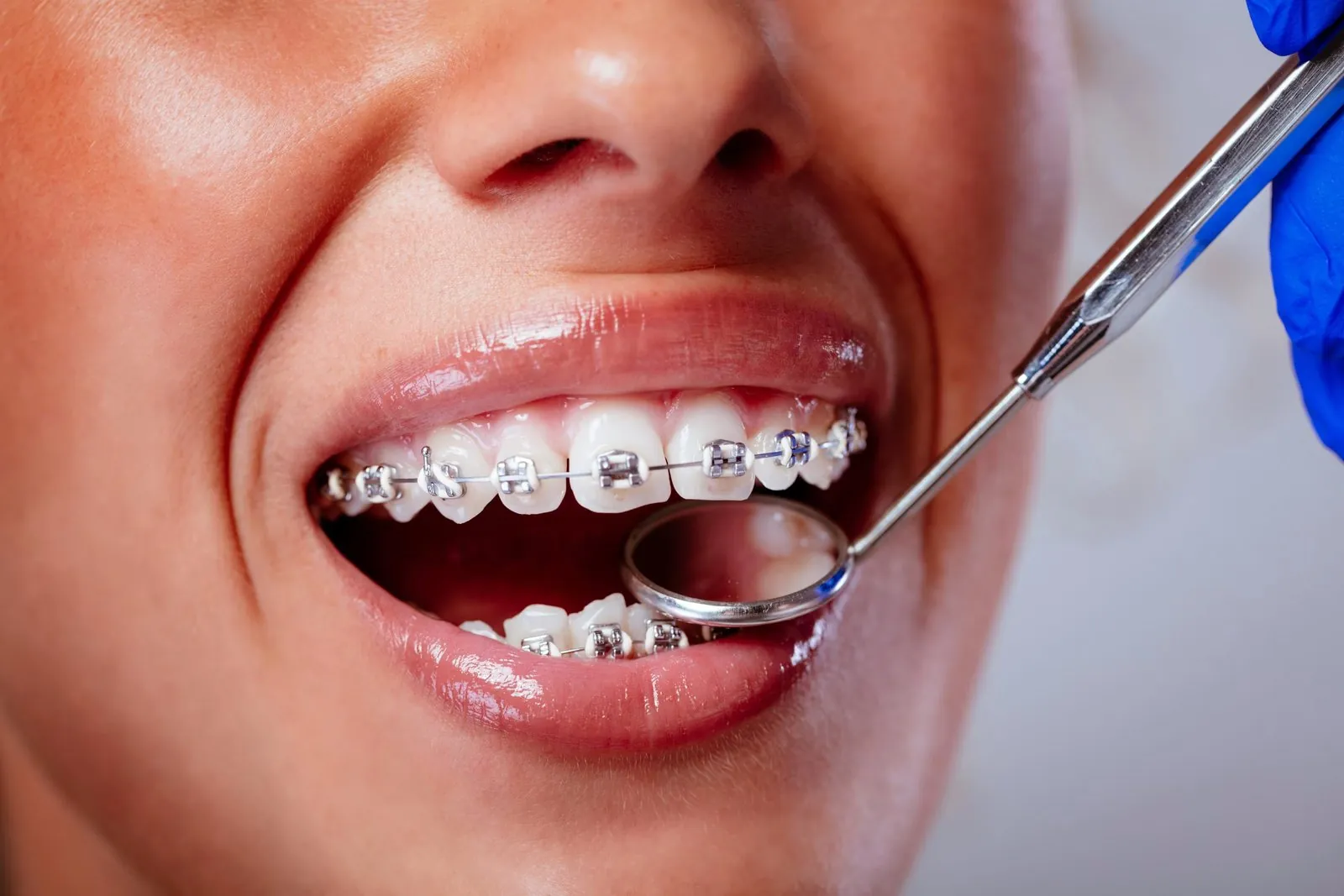
Traditional metal braces are the most common type of braces. They are fixed braces made of metal brackets attached to the front of each tooth and connected by a wire.
How Metal Braces Work
Modern metal brackets are made from high-grade stainless steel. The archwire applies steady pressure, and elastic ties or rubber bands hold the wire in place.
Elastic bands can also be added to correct the bite. Treatment duration for orthodontic braces commonly takes around 12 to 24 months.
Pros and Cons of Metal Braces
Metal braces are generally more cost-effective than ceramic braces. They handle severe crowding, large gaps, and complex cases very well.
The main drawback is looks. Metal braces are more visible than ceramic braces, and you may feel initial discomfort after each adjustment.
Ceramic Braces
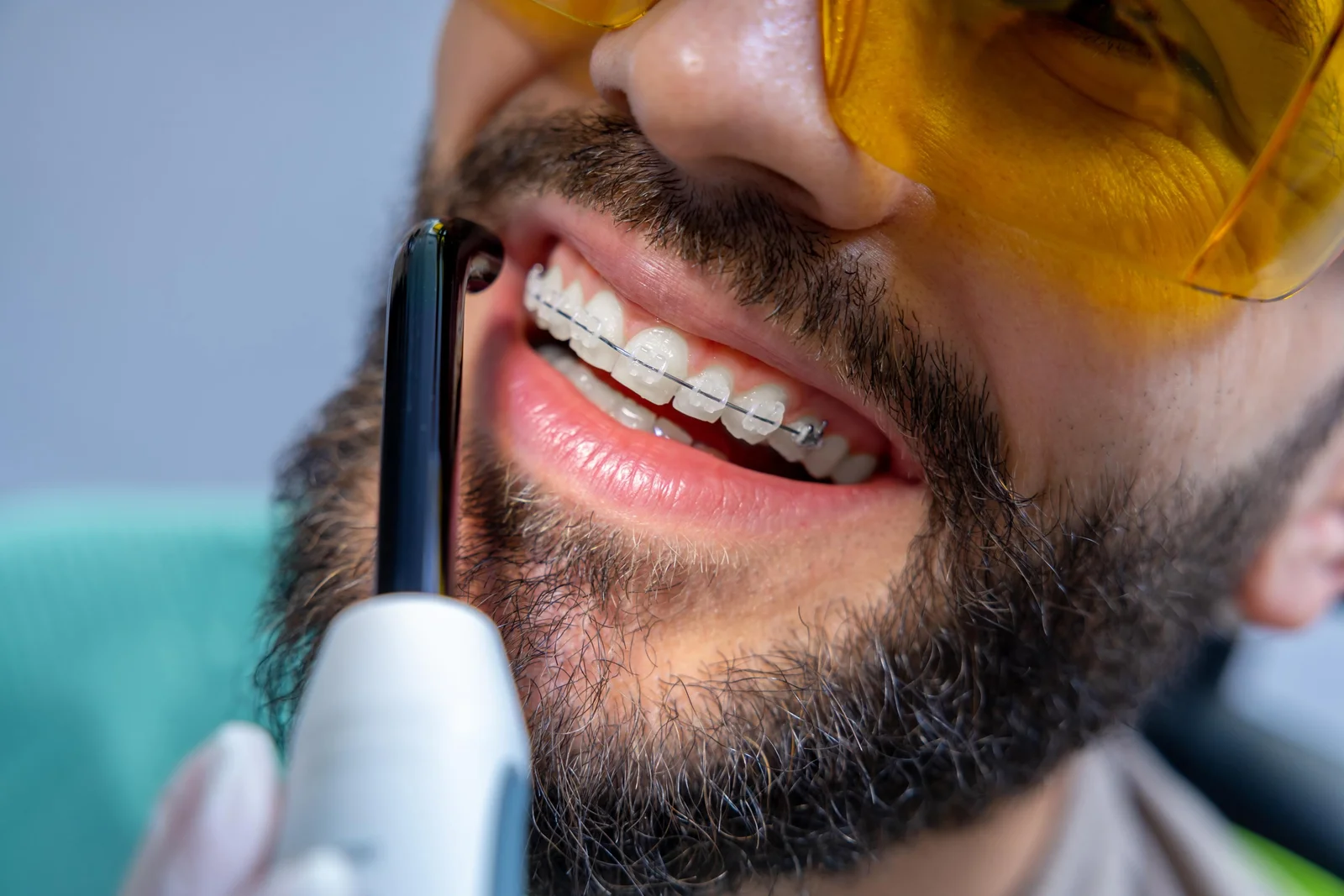
Ceramic braces use tooth-colored brackets for a less noticeable appearance. The ceramic material blends with your natural tooth color, which makes this a discreet treatment option.
Why Adults Choose Ceramic Braces
Ceramic braces are popular among adults for aesthetic reasons. Clear ceramic brackets draw less attention in photos and at work.
Pros and Cons of Ceramic Braces
Ceramic braces are less durable than metal braces. Ceramic braces can stain from food and drinks, especially if the elastic ties are not changed regularly.
They also tend to have a higher cost than metal braces. Many patients feel the trade-off is worth it for a more natural look.
Lingual Braces
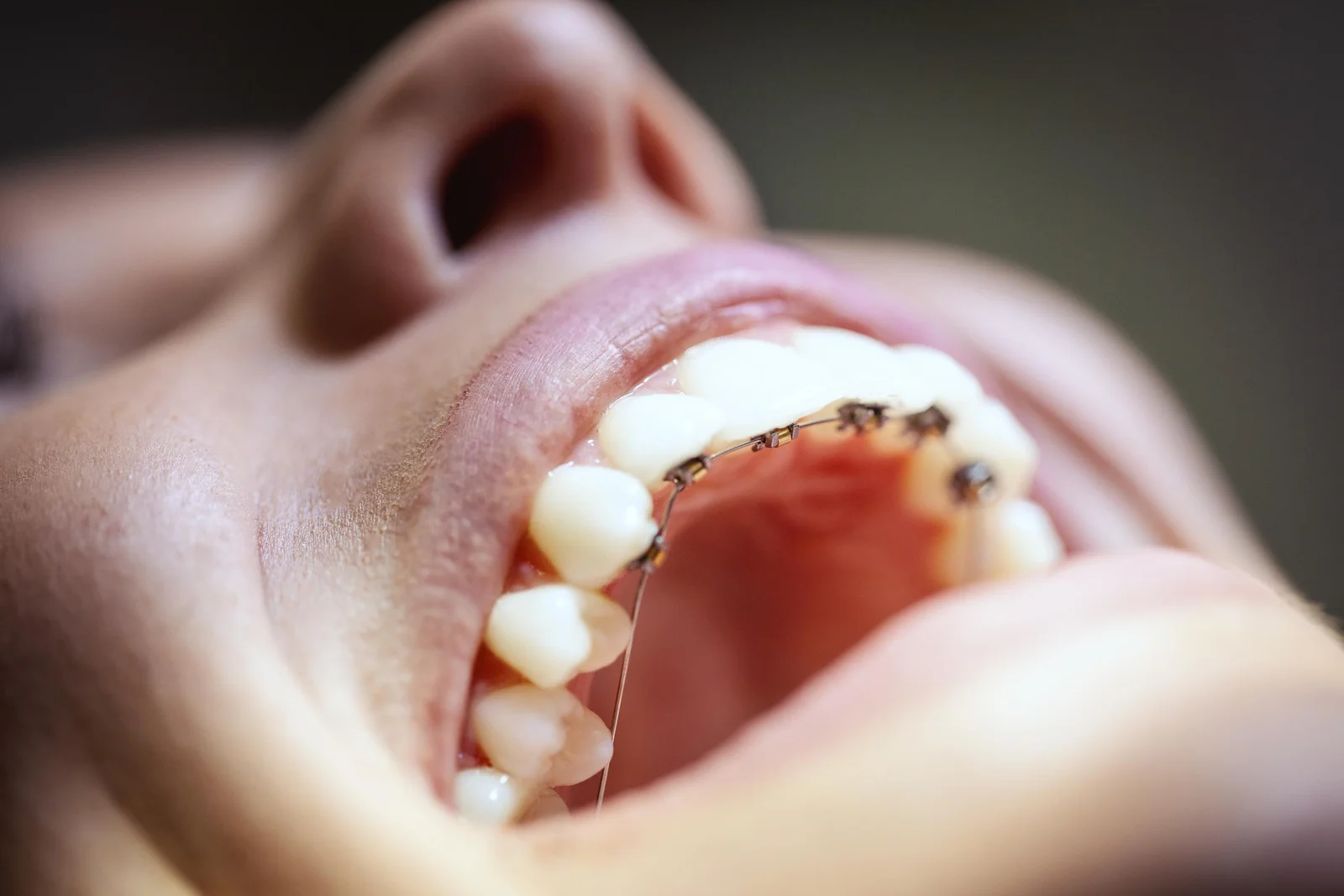
Lingual braces are placed on the back of the teeth, making them invisible from the outside when worn. They are sometimes called invisible braces, though that term is also used for aligners.
Cost and Training Requirements
Lingual braces can cost between $5,000 and $13,000. They require specialized training for orthodontists to apply, so not every practice offers them.
Comfort and Speech
Lingual braces may cause temporary speech difficulties and tongue irritation. Most people adjust within a few weeks as the tongue side of the mouth gets used to the brackets.
Self-Ligating Braces
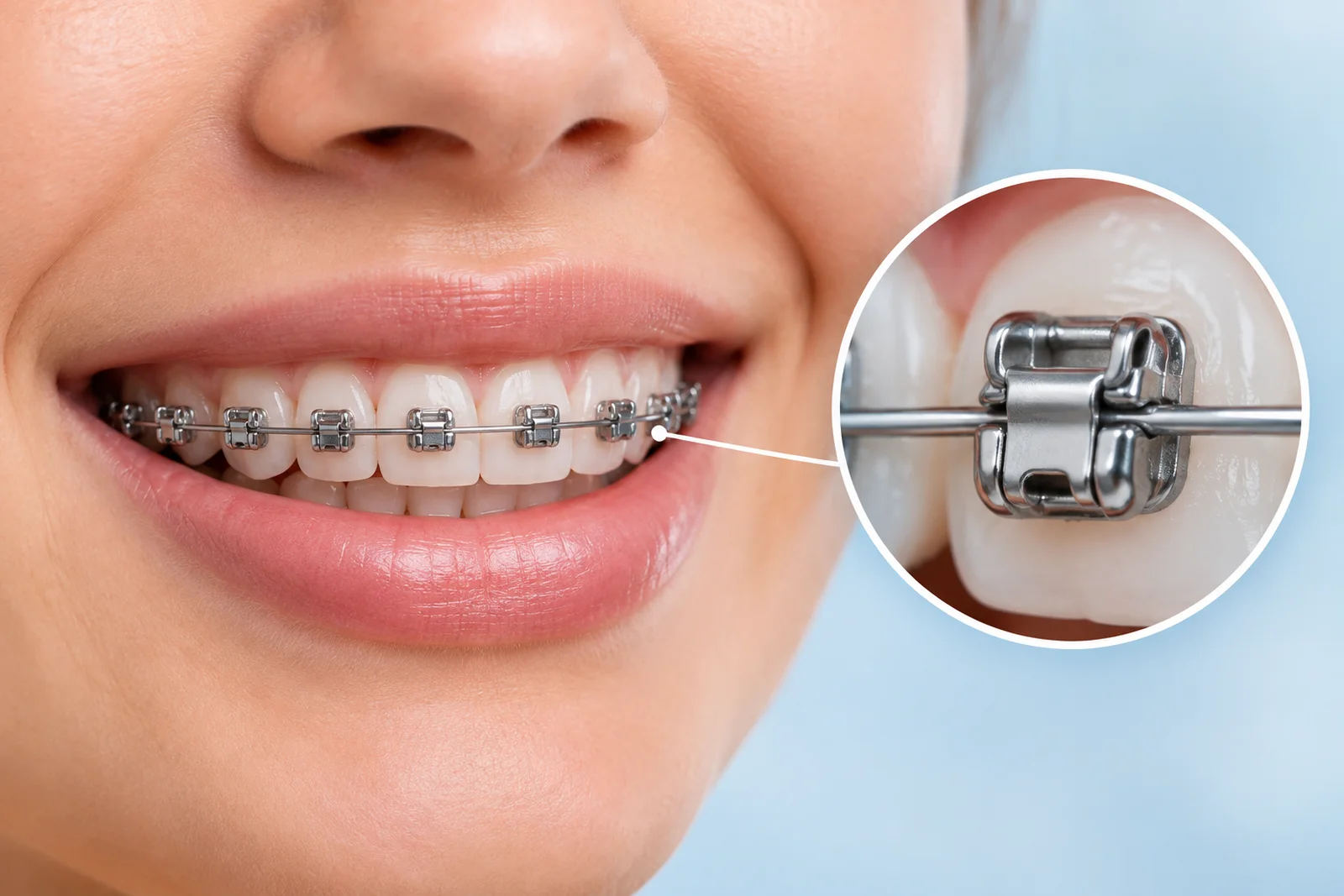
Self-ligating braces use a built-in clip or sliding mechanism instead of elastic bands. The brackets can be metal or clear ceramic brackets.
Benefits of Self-Ligating Braces
Self-ligating braces may reduce friction during tooth movement. They can lead to fewer orthodontist visits during treatment.
They are often marketed as a more comfortable treatment option. Food particles also collect less around the clips than around elastic ties.
Treatment Time Compared to Traditional Braces
Treatment time with self-ligating braces is comparable to traditional braces. The main advantage is convenience, not speed.
Clear Aligners
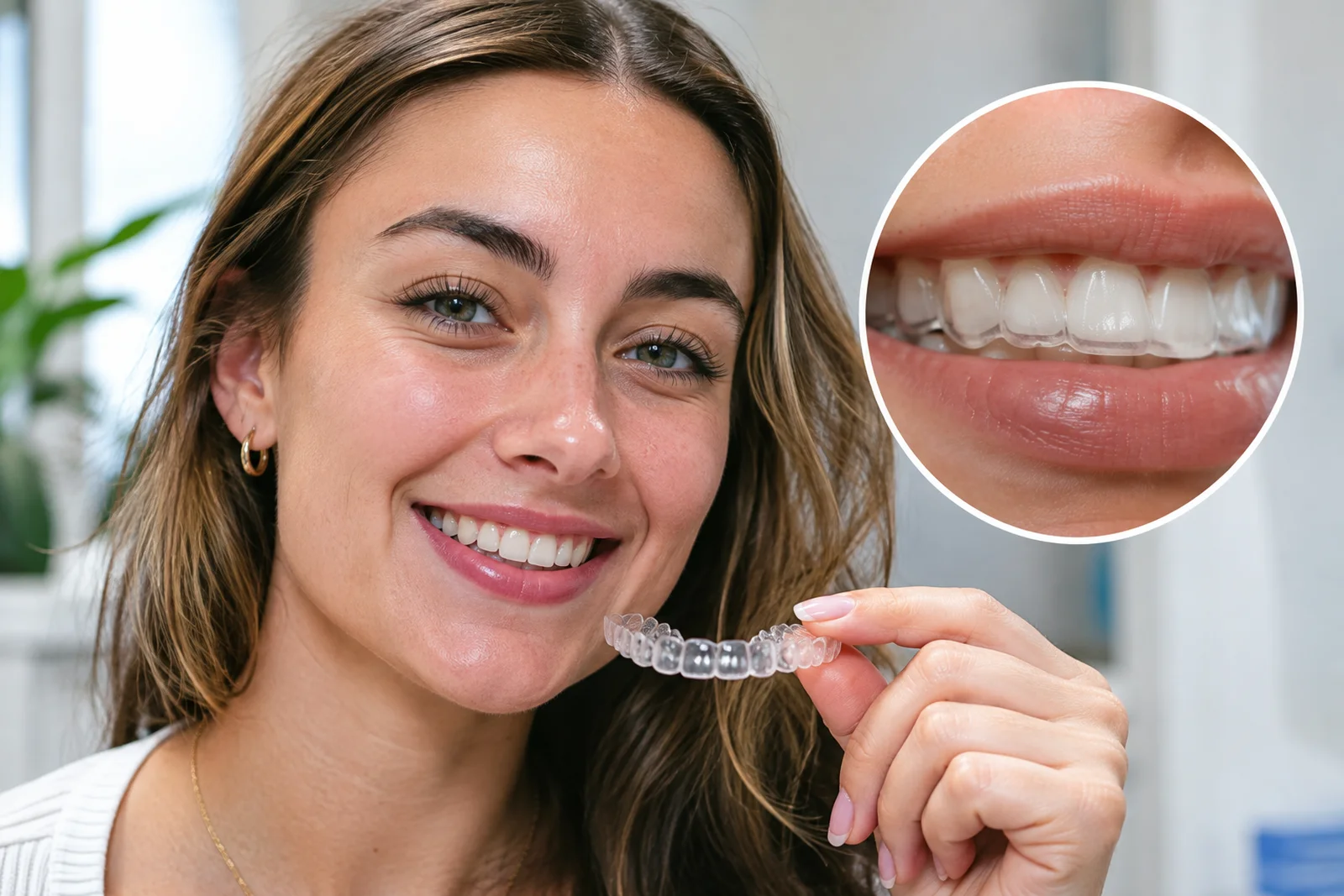
Clear aligners are removable plastic trays for teeth straightening. Invisalign is a well-known brand of clear aligners.
How Clear Aligners Work
Aligners must be worn for 20 to 22 hours daily. Each set of aligners is typically worn for two weeks before you move to the next tray.
Who Is a Good Candidate?
Clear aligners are best for mild to moderate dental misalignments. They work well for gapped teeth and moderate alignment issues.
Severe crowding and complex bite problems may need fixed braces instead.
What Type of Braces Are the Best?
There is no single best option for everyone. The best braces depend on your bite, your budget, your age, and how visible you want treatment to be.
Metal braces suit complex cases and tighter budgets. Ceramic braces and clear aligners suit patients who want a discreet option. Lingual braces suit those who want hidden treatment and can accept a higher cost.
What Is the Most Painful Type of Braces?
Pain varies from person to person, but lingual braces are often reported as the most uncomfortable at first. Tongue irritation and speech changes are the main reasons.
Metal and ceramic braces cause initial discomfort after placement and adjustments. A soft diet and orthodontic wax usually help.
Is $7,000 a Lot for Braces?
Braces cost depends on the type, the length of treatment, and your location. A fee near $7,000 can fall within the range for comprehensive treatment, especially for ceramic or complex cases.
Ask about insurance coverage, payment plans, and what the fee includes. Many practices offer a free consultation, which gives you a clear estimate before you commit.
Caring for Your Braces and Oral Health
Braces generally require adherence to strict oral hygiene practices to prevent plaque buildup. Oral hygiene is especially important with fixed braces because plaque can accumulate around brackets.
Good habits lower the risk of tooth decay and gum disease. Helpful tools include:
- A soft toothbrush and fluoride toothpaste
- Special floss or floss threaders
- Antibacterial mouthwash
Retainers are essential after treatment to prevent teeth from shifting back. Regular visits keep your progress on track and protect your healthy smile.
Types of Braces: Your Next Step
The best way to choose among the types of braces is to meet with an orthodontist. A professional assessment shows which option fits your teeth, your lifestyle, and your goals.
Contact Dr. Dante Gonzales to schedule a consultation and explore your orthodontic treatment options.
Ready to start your smile journey?
Book a complimentary consultation with Dr. Dante Gonzales in Dublin or Tracy, CA. We will review your case and map out a clear, personalised treatment plan.
Request ConsultationQuestions about your orthodontic care? Meet Dr. Dante A. Gonzales, DMD, MSD and our orthodontists, or contact our Dublin or Tracy team for an individual assessment.
This article is for general education and is not a substitute for a professional orthodontic evaluation. Treatment recommendations and outcomes vary from person to person.