Wearing braces means making a few simple adjustments to your eating habits. The wrong foods can break brackets, bend wires, and slow down your orthodontic progress.
This comprehensive guide covers the foods to avoid with braces, the braces-friendly foods that are safe and delicious to enjoy, and answers to the most common patient dietary questions. Making smart food choices helps you finish treatment on time, prevents unexpected repair appointments, and protects your long-term oral health.
Why Certain Foods Are a Problem for Braces
Eating hard foods can delay orthodontic treatment progress. Consuming hard, sticky, or crunchy foods can also lead to repeated repair visits that extend your time in braces.
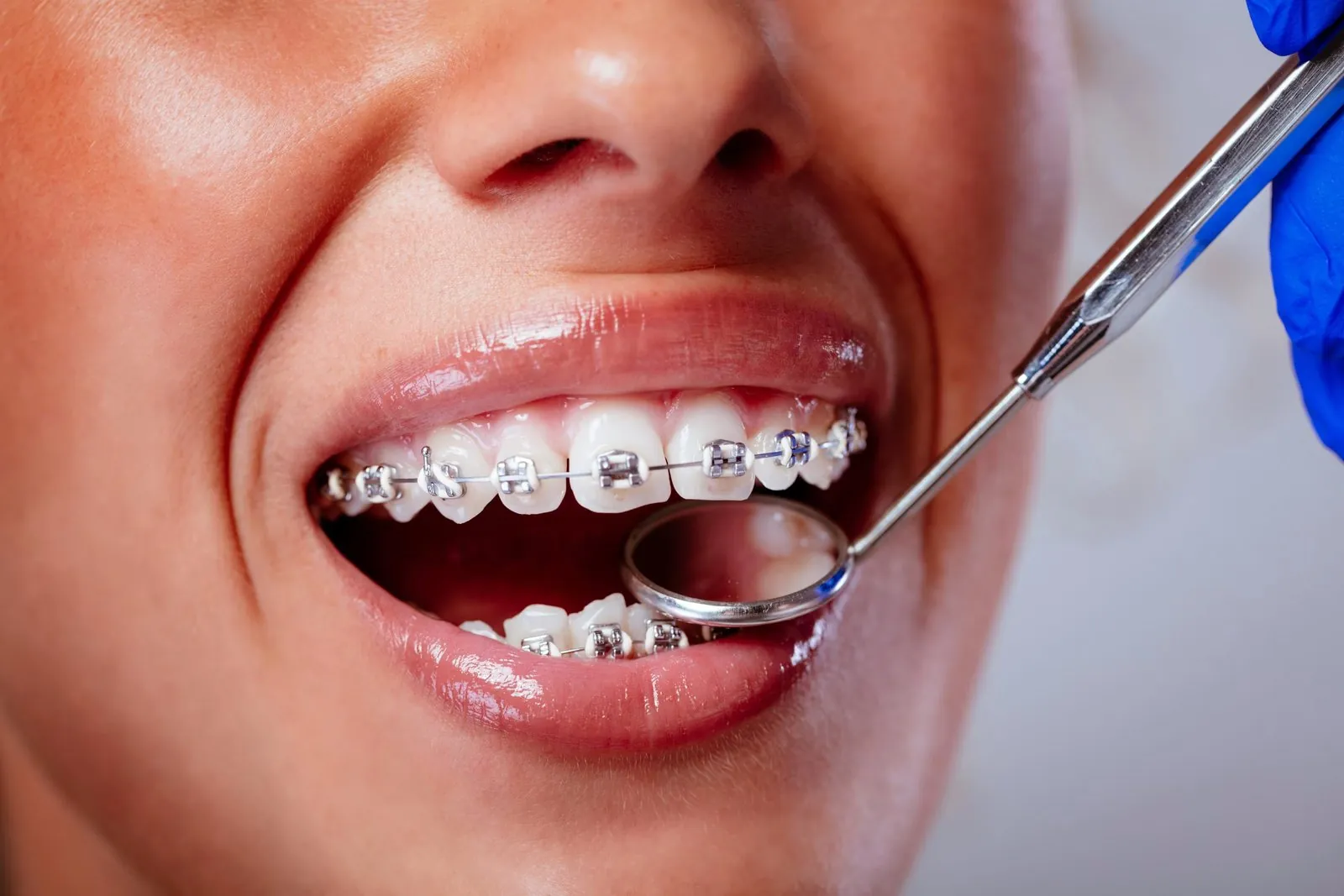
Orthodontic appliances are carefully bonded to your enamel using specialized dental adhesives. While they are engineered to withstand normal chewing forces, they are not built to endure excessive torque or high-impact bite pressure. Biting directly into rigid or excessively tacky textures can loosen a bracket, pop an archwire out of place, or bend delicate components.
Foods to Avoid With Braces
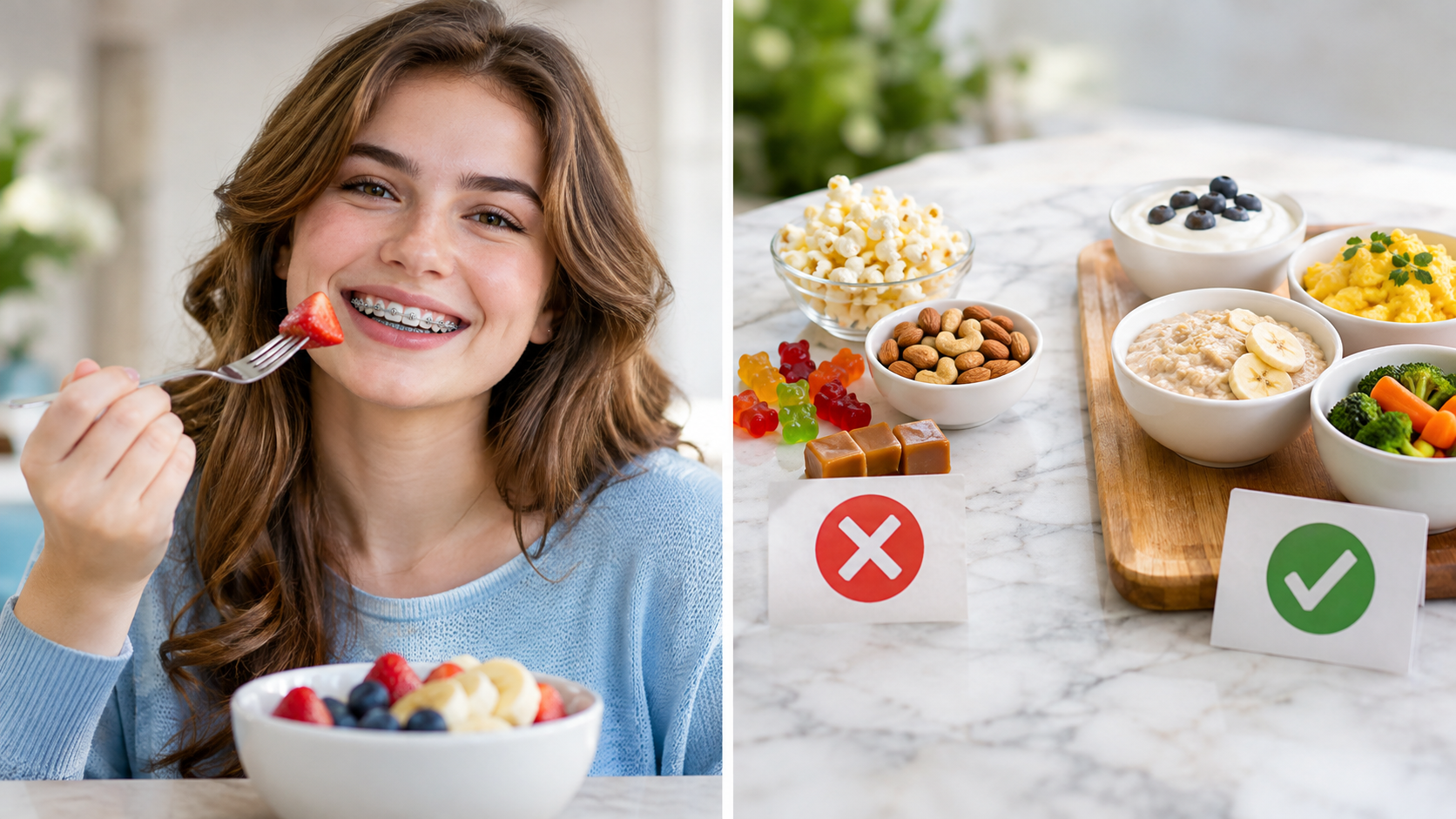
To keep your orthodontic treatment running smoothly and pain-free, avoid foods that can break brackets or bend wires. The primary categories to steer clear of are hard, sticky, chewy, and crunchy foods.
Hard Foods
Hard foods create concentrated bite pressure that can snap wires and unseat brackets immediately upon contact. Common culprits include:
- Hard nuts (almonds, peanuts, walnuts, and cashews)
- Hard candies, lollipops, and candy canes
- Ice cubes (chewing ice is one of the leading causes of broken brackets)
- Hard pretzels and pretzel rods
- Hard crusty artisan rolls and French baguettes
Chewing ice is a common cause of a loose bracket. Skip it entirely, even if the habit feels harmless.
Sticky and Chewy Foods
Sticky foods cling tenaciously to brackets and wires, making proper cleaning extremely challenging. When food debris stays trapped around appliances, plaque bacteria thrive, accelerating tooth decay and gum inflammation.
Chewy foods can tug on wires, displace elastic ligatures, and cause acute discomfort. Examples to skip include:
- Gummy candies, gummy bears, and fruit chews
- Caramel, toffee, taffy, and sticky candy
- Dried fruits and fruit snacks
- Chewy licorice and fruit rolls
- Pizza crust and tough, dense bread crusts
Crunchy Foods
Crunchy foods can crack brackets and push archwires completely out of alignment. Popcorn is a particularly notorious offender because sharp unpopped kernels can fracture appliances, while thin husks easily lodge beneath the gumline, triggering painful abscesses or gum irritation.
Hard and crunchy snacks like kettle-cooked chips, taco shells, and raw, uncut vegetables are better avoided or prepared into soft, bite-sized portions.
Foods You Bite Into With Your Front Teeth
Foods that require biting directly into with your front incisors place direct shearing forces on front brackets, which are smaller and more delicate than posterior molar attachments.
Biting into whole apples, raw whole carrots, corn on the cob, or thick submarine sandwiches can easily strain braces and cause immediate damage.
Avoid biting into hard foods with your front teeth. Simply cut whole apples into thin slices, slice corn kernels off the cob, steam or finely grate carrots, and chew small, bite-sized pieces with your back molars instead.
Sugary Foods and Acidic Drinks
High-sugar foods dramatically increase the accumulation of bacterial plaque. Plaque builds up quickly around brackets, archwires, and under elastic bands, meaning tooth decay and permanent white spot lesions (decalcification) become real threats.
Acidic foods and beverages directly soften and weaken tooth enamel. Carbonated soft drinks, commercial fruit juices, and sports drinks combine high acidity with copious sugars, which eat away at protective enamel. Limit these drinks as much as possible, or drink plain water to keep your mouth clean and refreshed.
Braces-Friendly Foods to Eat
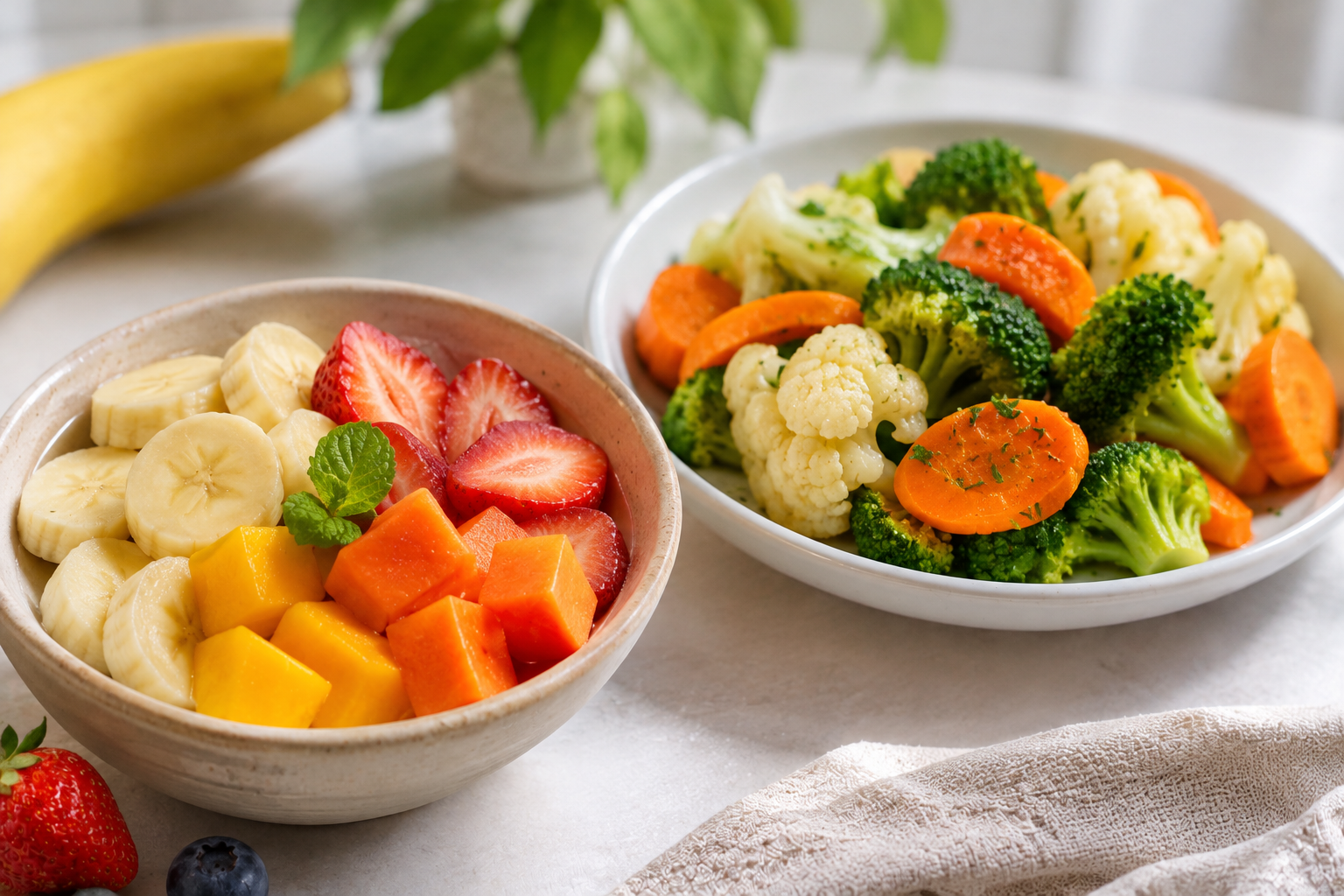
Fortunately, you don't have to give up delicious food while wearing braces! Naturally soft foods are ideal for braces wearers, providing all the essential vitamins, minerals, and calories you need without exerting unnecessary pressure on your brackets.
Soft Fruits and Cooked Vegetables
Soft fruits make excellent, healthy snacks throughout orthodontic treatment. Ripe bananas, blueberries, raspberries, melons, and smooth applesauce are gentle on sore teeth.
Cooked vegetables are far safer than raw ones. Steamed broccoli, soft carrots, roasted zucchini, and mashed potatoes are naturally tender, delicious, and easy to chew.
Proteins and Dairy
Soft, protein-dense foods keep your energy up while protecting your smile. Scrambled eggs, tender slow-cooked chicken, flaky baked fish, and shredded meats are very gentle on braces.
Dairy foods like cottage cheese, Greek yogurt, and soft cheeses provide calcium that strengthens teeth. Smooth ice cream, pudding, and fruit smoothies are wonderful treats that soothe soreness after orthodontic adjustments—just ensure there are no hard nuts, frozen candy chips, or brittle mix-ins.
Soft Breads and Light Grains
Soft sandwich breads, tortillas, warm oatmeal, and al dente pastas with rich sauces are reliable staples. Simply skip tough sourdough baguettes, dense bagels, and thick, crunchy pizza crusts.
How to Eat With Braces Safely
A few mindful eating habits can dramatically reduce your chances of experiencing broken appliances, loose brackets, or emergency appointments:
- Cut food into bite-sized pieces: Use a knife and fork rather than sinking your front teeth into whole foods.
- Chew slowly with your back teeth: Let your sturdy molars do the chewing rather than your front brackets.
- Choose softer foods after tightening visits: Favor soft soups, eggs, and smoothies for the first two to three days after an adjustment.
- Avoid non-food chewing habits: Never chew on pens, pencils, fingernails, or ice cubes.
Oral Hygiene When Eating With Braces
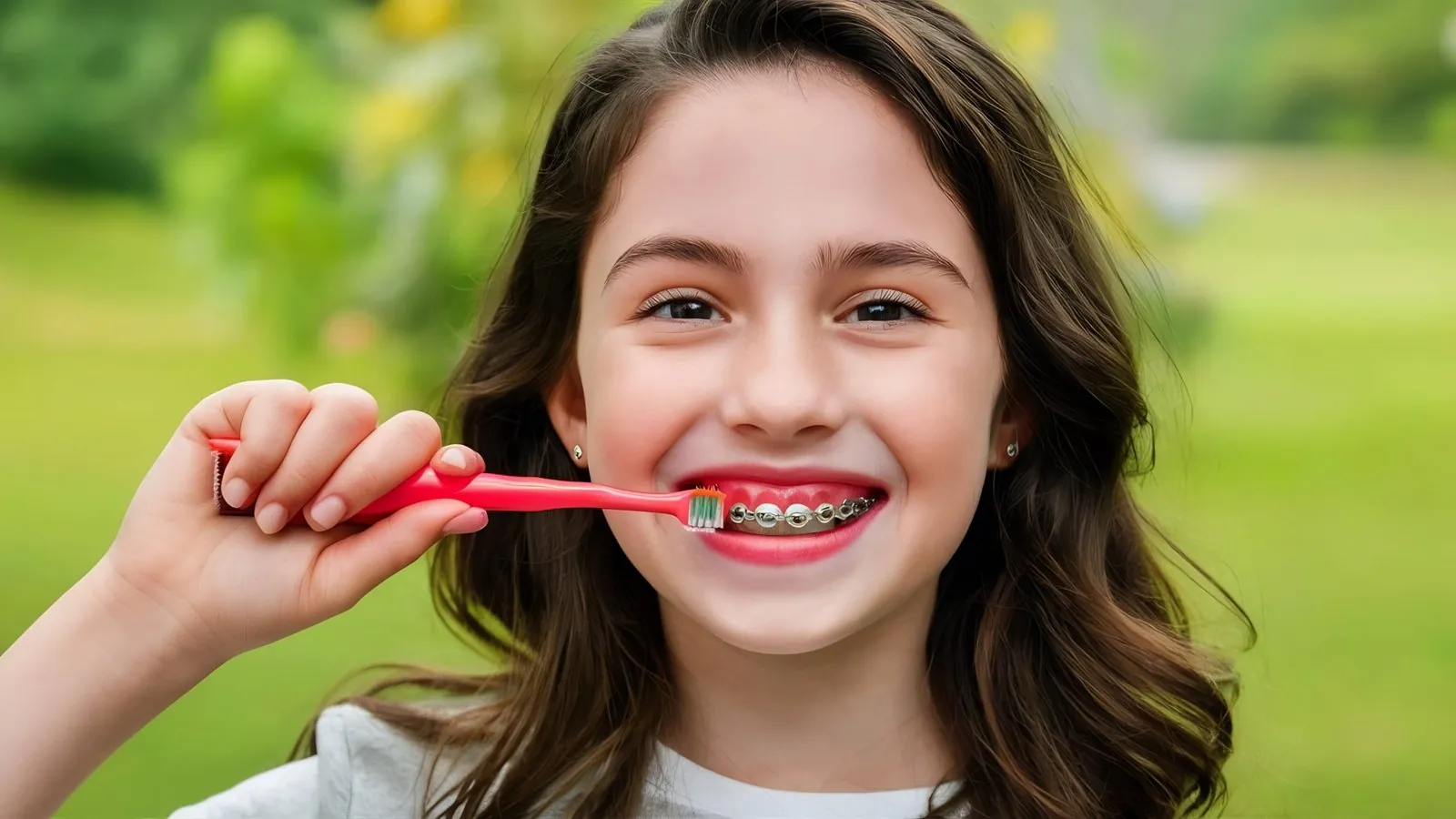
Consistent oral hygiene is vital when eating with braces to prevent permanent enamel scarring and gum disease. Because brackets and wires create small crevices where food particles easily collect, brushing after every major meal is crucial.
Use a soft-bristled toothbrush held at a 45-degree angle above and below the brackets. Interdental brushes, floss threaders, or a water flosser will dislodge stubborn debris trapped between tight teeth and underneath the main archwire. Finishing with a fluoride rinse strengthens enamel and keeps your smile fresh throughout your braces journey.
What to Eat in the First Week of Braces
When you first get your braces placed—or after a significant archwire adjustment—your teeth and jaw muscles will naturally feel sensitive or tender. Sticking to soothing, soft foods that require minimal to no chewing will keep you comfortable.
Top meal ideas for your first week include:
- Fluffy scrambled eggs and warm oatmeal
- Creamy mashed potatoes and pureed vegetable soups
- Nutrient-rich smoothies, Greek yogurt, and cottage cheese
- Macaroni and cheese, well-cooked soft pasta, and tender chicken broth
Most patients adjust quickly, with normal chewing comfort returning within several days.
Frequently Asked Questions (FAQs)
Can I Eat McDonald’s With Braces?
Yes, with a few sensible choices. Soft items such as a plain hamburger or cheeseburger on a soft seedless bun, soft chicken nuggets cut into bite-sized pieces, and a smooth McFlurry (without hard candy or crunchy cookie chunks) are safe to enjoy. Avoid hard, over-crisp fries, crunchy apple slices, and sugary sodas, and cut sandwiches into smaller pieces first.
Can I Eat Chick-fil-A With Braces?
Yes, in most cases. Grilled chicken nuggets, regular nuggets cut into bite-sized pieces, mac and cheese, and a soft sandwich bun are all great braces-friendly options. Skip hard waffle fry edges or crunchy salad toppings, and rinse your mouth thoroughly with water afterward to clear food particles.
Is $7,000 a Lot for Braces?
Braces cost depends on the treatment type, length of care, case complexity, and practice location. A fee near $7,000 falls well within the typical range for comprehensive orthodontic treatment. Ask what the fee includes, such as routine adjustments, emergency repair visits, retainers, and flexible payment plans. A comprehensive evaluation with your orthodontist provides the best personalized estimate.
What Should I Do If a Bracket Breaks While Eating?
If a bracket loosens or a wire comes out of place while eating, remain calm. Apply orthodontic wax over any poking edges to protect your cheeks and gums, avoid chewing on that side of your mouth, and call our Dublin or Tracy office promptly so we can schedule an appointment to reattach your bracket.
Foods to Avoid With Braces: Your Next Step
Making smart food choices keeps your orthodontic treatment moving smoothly, protects your teeth from decay, and helps you achieve your dream smile on time. If you ever have questions about whether a specific food is safe, err on the side of caution or ask our team at your next appointment.
If you experience a loose bracket, broken wire, or have questions about starting orthodontic treatment, schedule a consultation with Dr. Dante Gonzales in Dublin or Tracy, CA today.
Ready to start your smile journey?
Book a complimentary consultation with Dr. Dante Gonzales in Dublin or Tracy, CA. We will review your smile goals and design a customized orthodontic treatment plan for you.
Request ConsultationQuestions about your braces diet or orthodontic care? Meet Dr. Dante A. Gonzales, DMD, MSD and our orthodontists, or contact our Dublin or Tracy team for personalized care.
This article is for general education and is not a substitute for a professional orthodontic evaluation. Dietary recommendations and treatment plans vary based on individual appliance types and oral health needs.