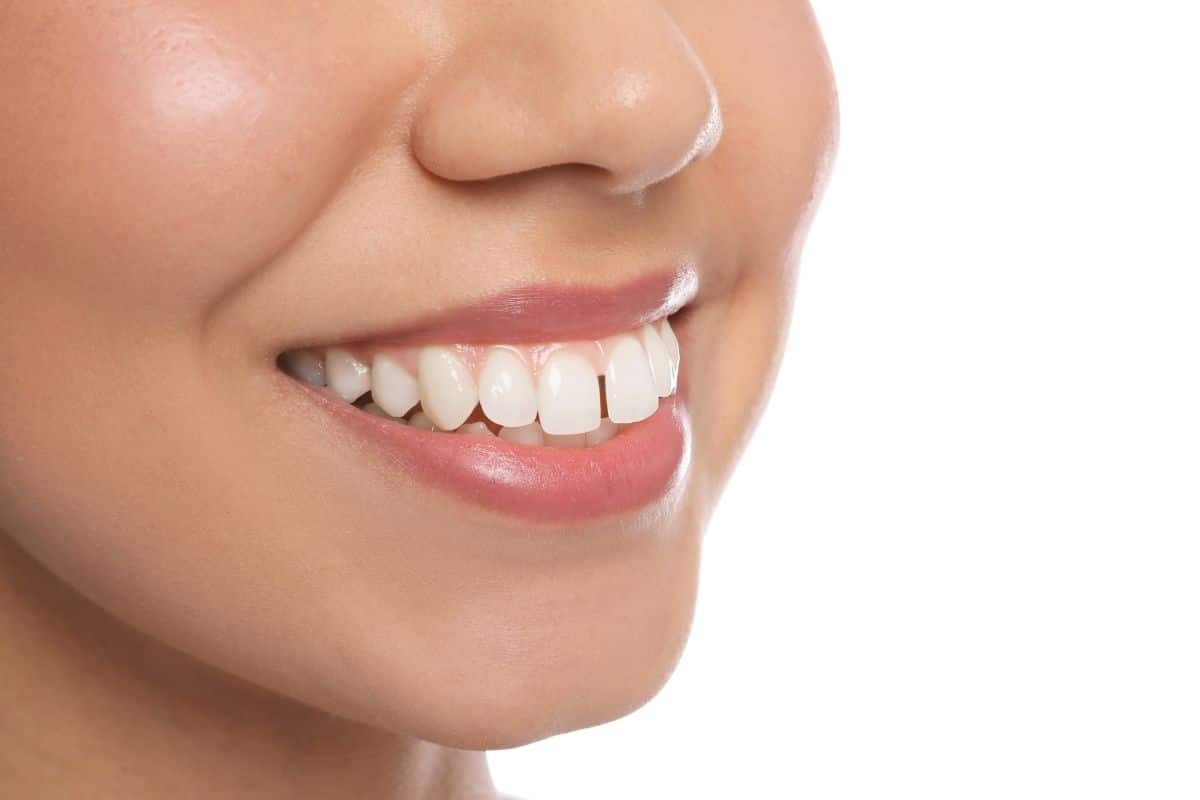
Have you ever looked in the mirror and felt your front teeth stick out more than they should? Maybe your lips feel tight when you close your mouth. Maybe photos make you feel self conscious. Teeth protrusion often starts quietly. Many people ignore it until chewing feels off or jaw pain shows up.
Others notice it when upper front teeth extend outward more than expected. This guide explains what is happening, why it matters, and when dental care becomes necessary. Let us break it down, so you know what to do next.
What Is Teeth Protrusion?
Teeth protrusion is a dental condition where the upper teeth or lower teeth shift forward compared to normal jaw alignment. In many cases, the upper front teeth extend outward, creating a visible gap between upper and lower jaw. People often call this buck teeth or protruding front teeth.
Dentists describe it as dental protrusion or protrusion of teeth. The issue can involve upper incisors, lower jaw position, or both. Sometimes teeth extend outward due to jaw development issues. Other times, constant pressure pushes teeth forward over years. This condition affects dental health, oral health, and daily comfort.
Common Signs of Teeth Protrusion
You may notice small changes first. Over time, signs become clearer.
- Front teeth that protrude outward
- Upper front teeth extend past lower teeth
- Difficulty closing lips without muscle strain
- Speech difficulties with certain sounds
- Jaw pain or jaw issues during chewing
- Teeth extend forward compared to face profile
- Increased risk of damage to the front teeth
- Self consciousness during smiling or talking
These protruding teeth problems often appear alongside improper bite alignment or jaw misalignment.
What Causes Teeth Protrusion?
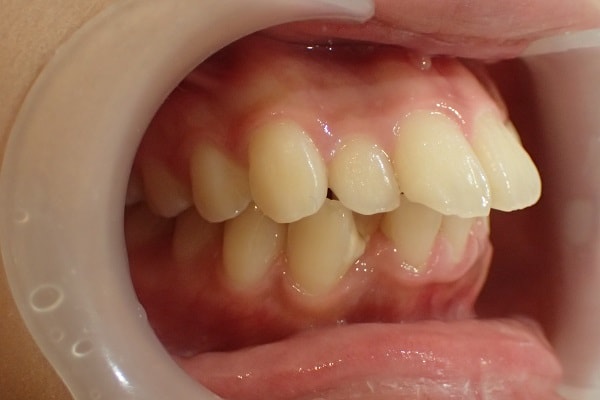
Several factors push teeth forward. Genetics plays a big role. Jaw size, tooth size, and jaw development often run in families. Still, certain habits increase risk.
Common causes include:
- Prolonged thumb sucking or prolonged pacifier use
- Pacifier use or bottle feeding beyond early years
- Tongue thrusting where a child pushes tongue forward
- Nail biting and other childhood habits
- Constant pressure from certain habits
- Missing teeth that allow others to shift forward
- Gum disease that weakens tooth support
- Dental trauma affecting permanent teeth
These factors slowly change jaw alignment and proper alignment over time.
Risks of Leaving Teeth Protrusion Untreated
When left untreated, dental problems increase. Teeth that protrude outward face higher risk of injury. Sports accidents often cause chipped upper teeth. Cleaning becomes harder, so plaque buildup increases.
Possible health risks include:
- Tooth decay and gum disease
- Increased risk of dental trauma
- Jaw pain and jaw issues from imbalance
- Difficulty biting and chewing, which may affect digestion
- Speech difficulties and pronunciation issues
- Lower self esteem and emotional well being
Protruding teeth can also strain oral health and overall well being.
Teeth Protrusion in Children vs Adults
Children show early signs during jaw development. A child’s teeth respond faster to correction. Early orthodontic intervention helps guide jaw alignment and future smile growth. Children with protruding teeth also face higher risk of dental trauma during play.
Adults face slower movement. Permanent teeth need more time. Still, orthodontic treatment works well at any age. Adults often seek care due to jaw pain, misalignment issues, or confidence concerns. Both age groups benefit from preventing protruding teeth through timely care.
When Should You See a Dentist for Teeth Protrusion?

You should schedule a visit if you notice:
- Upper front teeth extend far forward
- Teeth shift forward over time
- Jaw pain or jaw discomfort
- Speech difficulties or chewing problems
- A child’s teeth showing early protrusion signs
Regular dental checkups allow early detection. Early care often shortens treatment duration and protects dental health long term. Malocclusion, which includes protruded upper front teeth, affects about 39% to 93% of adolescents worldwide and ranks among the most common oral health issues after tooth decay and gum disease.
How Dentists Treat Teeth Protrusion
Dentists choose treatment options based on severity. Mild cases differ from severe protrusion.
| Treatment Option | When It Is Used |
|---|---|
| Traditional braces | Moderate to severe cases including buck teeth |
| Metal brackets | Reliable option for full correction |
| Ceramic braces | Same function with lower visibility |
| Clear aligners | Mild to moderate cases, discreet option |
| Functional appliances | Guide jaw growth in children |
| Tooth extraction | Overcrowding cases |
| Dental bonding | Cosmetic reshaping of front teeth |
| Orthognathic surgery | Severe cases with jaw misalignment |
Braces apply steady pressure to fix protruding teeth. Braces remain one of the most effective solutions and usually last 18 months to 3 years. Invisalign treatment typically lasts 12 to 18 months. Retainers follow treatment to prevent teeth from shifting back.
How Our Dental Team Helps With Teeth Protrusion
At Dante Gonzales Orthodontics, we approach teeth protrusion treatment with care and clarity. We assess jaw alignment, bite pattern, and dental condition before planning care. Our orthodontic care focuses on comfort, function, and a confident smile.
We offer:
- Clear aligners and traditional braces
- Ceramic braces and metal brackets
- Functional appliances for children
- Support through every treatment phase
Our goal stays simple. Improve oral health, support jaw alignment, and help patients achieve a straighter smile and improved oral health.
Final Thoughts
Teeth protrusion affects more than appearance. It influences dental health, comfort, speech, and self confidence. Protruding teeth often cause chewing issues, jaw pain, and increased risk of injury when left untreated. Early care protects your future smile and overall well being.
We believe every patient deserves clear guidance and effective orthodontic care. If you notice protruding teeth, discomfort, or bite problems, take the next step today. Connect with Dante Gonzales Orthodontics to explore treatment options and personalized care.
Schedule a consultation or book your appointment with our orthodontist today to start building a healthier, beautiful smile.