Have you ever noticed your jaw hurt on just one side and thought, “Is this my teeth, my jaw joint, or something else?” You are not alone. When you are experiencing jaw pain, it feels small at first, then it starts to affect eating, talking, and sleep. So, let’s make this practical.
We will walk through what one sided jaw pain often means, what signs matter, what you can do at home, and when you need a healthcare provider in California to check it.
What One-Sided Jaw Pain Really Means
Pain on one side often points to a local trigger. For example, one affected tooth can cause jaw pain that spreads into the lower jaw, the upper jaw, or the ear. Also, one side can take more load if you chew on one side, clench, or deal with misaligned teeth.
At the same time, your temporomandibular joint connects your lower jaw to your skull. It is one of the most complex joints in the body because it must control jaw movement all day. So, when the joint or jaw muscles flare up, you can feel joint pain, jaw stiffness, popping sounds, and tmj pain on just one side.
Most Common Causes of Jaw Pain on One Side
Here are the most common root cause groups. As you read, ask yourself: “Which one sounds like me?”
TMJ and Temporomandibular Disorders
TMJ disorders and temporomandibular joint disorder can involve the disc, ligaments, or surrounding jaw muscles. Stress, posture, and clenching can trigger temporomandibular disorders.
Teeth Grinding and Clenching
Teeth grinding puts heavy pressure on the jaw joint. Also, it can create muscle fatigue and jaw soreness, mainly if you favour one side. Over time, it can also wear down your teeth and trigger TMJ pain when you wake up or start chewing.
Dental Problems
tooth decay, a cracked tooth, gum disease, periodontal disease, gum infections, or dental infections can create pain that radiates. An abscessed tooth or dental abscess can bring throbbing pain, facial swelling, and tooth sensitivity.
Wisdom Teeth
Wisdom teeth can push, inflame gums, and cause sided jaw pain with difficulty chewing. They can also press on nearby upper teeth or the lower jaw area, so the pain feels deeper and harder to locate. If food gets trapped around a partially erupted tooth, it can trigger gum infections, swelling, and dental pain that keeps flaring on the same side.
Sinus Infections
Sinus infections, sinus cavities irritation, nasal congestion, and sinus pressure can send referred pain into the upper jaw and upper teeth on that side. You may also feel facial pressure under the cheekbone, plus a dull ache that worsens when you bend forward.
Muscle Strain and Overuse
Chewing gum, biting nails, or eating tough food can strain the jaw muscles and create pain. It can also lead to muscle fatigue and jaw soreness, especially if you keep working the same side. If you notice jaw stiffness or difficulty chewing after meals, that is often a sign of overuse and muscle strain.
Nerve Causes
Trigeminal nerve irritation, including trigeminal neuralgia, can cause sudden, intense, shock-like pain on one side. It often feels like brief electric jolts that trigger with simple actions such as chewing, talking, brushing teeth, or even touching the face.
Injury
Impacts or trauma can limit jaw function and create significant pain fast. You may also notice facial swelling, jaw stiffness, or difficulty opening your mouth after the hit. If you cannot open or close your mouth normally, or the pain keeps getting worse, get evaluated right away.
If you have jaw pain on one side and it keeps returning, treat it as a signal, not “just a bad day.”
Symptoms That Help Identify the Underlying Cause
Symptoms give clues. Still, you need an accurate diagnosis when pain persists.
Look for these patterns:
- Dental pain signs: tooth sensitivity, pain on one when you bite, a dull ache that turns into intense pain, or pain near an affected tooth.
- Infection signs: notice swelling, facial swelling, gum swelling, bad taste, or warmth in the gum line.
- TMJ signs: tmj pain with popping sounds, jaw stiffness, difficulty opening, or trouble to fully open or close your mouth.
- Sinus signs: facial pressure, nasal congestion, sinus pressure, and upper jaw soreness.
- Muscle signs: muscle strain, muscle imbalances, muscle fatigue, and soreness after tough food.
| What you feel | What it may suggest |
|---|---|
| Ear pain plus jaw movement pain | tmj disorders or temporomandibular joint irritation |
| Throbbing pain near upper teeth | tooth decay, cracked tooth, or dental abscess |
| Facial pressure with nasal congestion | sinus infections affecting sinus cavities |
| Pain on one side when chewing | dental issues, gum disease, or wisdom teeth |
| Sudden shock-like pain | trigeminal nerve, possible trigeminal neuralgia |
If severe pain builds fast, or if you feel a dental emergency coming, do not wait.
Home Remedies for Mild One-Sided Jaw Pain
If symptoms stay mild and you have no swelling, fever, or breathing trouble, home care can relieve symptoms while you plan next steps.
Try this simple plan for 24 to 48 hours:
- Rest the jaw: stop chewing gum, stop nail biting, and avoid tough food. Choose soft foods and keep eating soft foods for a day or two.
- Hot and cold therapy: use ice packs first if swelling feels fresh. Then use gentle warmth to relax jaw muscles.
- Over the counter medications: follow the label. If pain persists even with over the counter medications, that matters.
- Reduce clenching: try deep breathing, short meditation, or yoga. Stress control helps because clenching often hides in the day.
- Gentle jaw habits: keep lips together, teeth apart, and tongue resting on the palate. This can reduce strain and help jaw movement.
These steps help mild muscle strain. However, they do not fix tooth decay, dental infections, or a temporomandibular joint problem.
When to See a Doctor for Jaw Pain on One Side
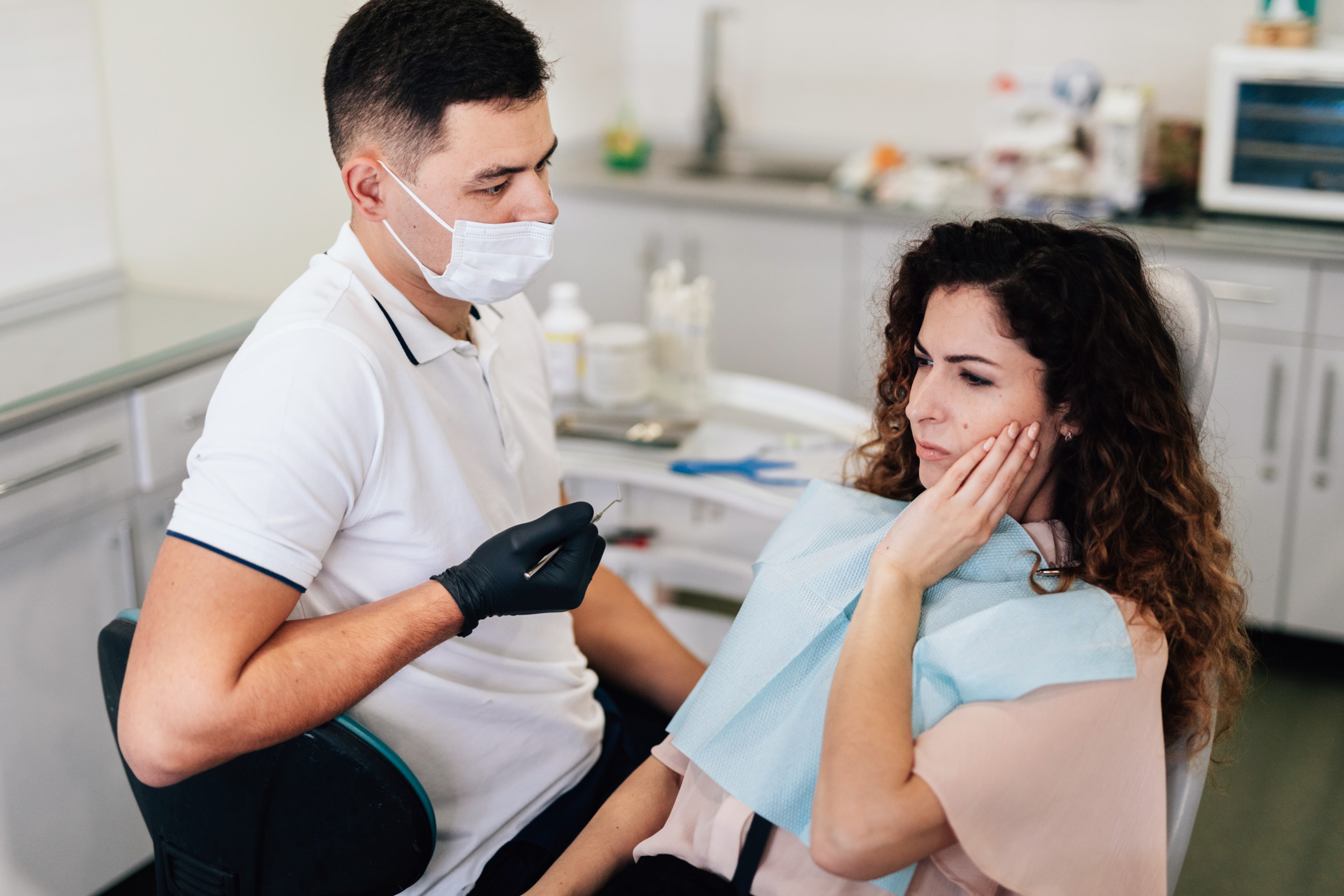
If jaw pain on one side lasts more than a few days, comes back often, or worsens, book a check. Also, schedule a dental or medical appointment if pain starts to interfere with eating, speaking, or sleeping.
Seek immediate medical attention if you have:
- chest pain, left arm pain, shortness of breath, or jaw pain with breathing trouble
- difficulty swallowing or breathing
- inability to open or close your mouth
- significant swelling of the face, jaw, or neck
- sudden, intense, shock-like pain, or severe, unrelenting pain that home care cannot control
Also, get urgent evaluation if you notice fever above 101°F with jaw pain or swelling. Persistent or recurrent pain warrants a professional evaluation to find the root cause and prevent bigger dental problems.
Diagnosis: What a Doctor or Dentist Will Check
A clinician usually checks your bite, teeth, gums, and jaw joint function. They often ask where the pain sits, what triggers it, and what accompanying symptoms show up.
Expect steps like:
- exam of the temporomandibular joint for clicking, tenderness, and range of motion
- evaluation of bite and misaligned teeth that overload one side
- tooth checks for cavities, cracks, an abscessed tooth, and gum infections
- sinus screening if you report sinus pressure, facial pressure, or nasal congestion
- questions about teeth grinding, clenching, stress, and chewing habits
Then, if needed, they order imaging to confirm an accurate diagnosis and choose appropriate treatment.
Treatment Options for One-Sided Jaw Pain
Treatment depends on the cause. So, the goal is simple: fix the trigger, calm inflammation, restore jaw function.
Common options include:
- Dental treatment: fillings for tooth decay, treatment for a cracked tooth, care for dental abscess, and gum therapy for periodontal disease or gum disease.
- TMJ-focused care: nightguards or a custom-fitted mouthguard to reduce grinding load. A custom nightguard can protect enamel and ease tension from bruxism.
- Orthodontic correction: when misaligned teeth drive uneven pressure, orthodontic planning can reduce strain on the jaw joint.
- Physical therapy: targeted physical therapy can address jaw muscles, muscle imbalances, and joint control issues.
- Medication and short-term support: pain control, anti-inflammatory steps, and diet shifts to soft foods while tissues calm.
Early consultation often prevents flare-ups from turning into long cycles of significant pain. If you suspect temporomandibular joint disorder, a TMJ-focused provider can build a full plan instead of quick fixes.
Why Patients Trust Dante Gonzales for Jaw Pain Evaluation and Care
Patients want answers that make sense, plus a plan they can follow. At Dante Gonzales Orthodontics, we focus on how bite forces, jaw movement, and tooth position connect. That matters when pain keeps returning on one side.
Here is what patients often value with us:
- We give a clear evaluation of bite balance and jaw joint stress points.
- We check grinding patterns and wear signs with care.
- We offer treatment options that match your life, not a one-size plan.
- We coordinate with dental or medical partners when dental issues or sinus infections drive symptoms.
- We lay out a practical path toward appropriate treatment, with steps explained in simple terms.
If you feel pain on one side, we believe you deserve an accurate diagnosis, not guesswork.
Final Thoughts
Jaw pain can start as jaw soreness, then it can grow into a problem that affects sleep, meals, and focus. We see that pattern often. So, if your pain persists, worsens, or returns, we should treat it early and find the cause of jaw pain, whether it is the temporomandibular joint, teeth grinding, dental infections, or bite stress from misaligned teeth.
If you want a clear evaluation and real treatment options, connect with Dante Gonzales Orthodontics. We can review your symptoms, check your bite and jaw joint function, and explain next steps in plain language. Then we can guide you toward the right care plan, including nightguards, orthodontic options, or referrals when needed. Book your appointment with our orthodontist today, so we can help you get comfortable again and protect your long-term jaw function.