
Choosing to straighten your teeth is a significant decision for your oral health, and it is natural to wonder how much discomfort you might feel before beginning Invisalign treatment at Dante Gonzales Orthodontics. Clear aligners are widely known as a more comfortable alternative to traditional braces. Yet, your teeth and gums still need time to adjust to the gentle pressure that gradually shifts them into alignment. Let's understand what to expect in the early stages, which can help you feel more confident, prepared, and reassured as you begin your journey toward a healthier, straighter smile.
Does Invisalign Hurt During the First Week?
Beginning your Invisalign journey involves a period of initial adjustment planned by orthodontic specialists at Dante Gonzales Orthodontics. Your teeth begin to shift under gentle pressure, which can create mild discomfort. This feeling is completely normal and indicates that the Invisalign trays are successfully moving your teeth into the correct position as monitored by our experienced orthodontists.
The first week is generally the most challenging phase. Since your mouth adjusts to the presence of the aligner tray, you might feel temporary discomfort. High levels of severe pain are rare, as the system relies on gradual gentle pressure rather than the intense force felt with orther appliances.
Why Do New Aligners Cause Discomfort?
Every time you switch to a new set of trays, the tightness returns. Orthodontic specialists design a new set of alignerss to move your teeth a fraction of a millimeter closer to the final goal. This adjustment period typically lasts a few days as the pressure on your teeth helps them settle into the new shape according to the treatment plan designed at Dante Gonzales Orthodontics.
When Does Discomfort Peak?
Patients find that discomfort peaks within the first 12 to 24 hours after putting in new trays. The initial days involve the most movement. Most Invisalign wearers notice that the pain lessens significantly by the third day of the new cycle.
Managing Jaw Soreness and Tooth Pain
Jaw pain or jaw soreness can occur if you tend to clench your jaw muscles against the plastic. Some people also experience tension headaches if the bite alignment changes rapidly, which orthodontic specialists evaluate during follow-up visits at Dante Gonzales Orthodontics. These sensations are usually mild soreness rather than stabbing pain or sharp pain.
Relief for Tender Teeth
If your teeth feel tender, especially when you remove aligners to eat, focus on eating soft foods. Choosing soft foods like smoothies, yogurt, or mashed potatoes prevents extra stress on your roots. Cold foods and cold water also help to relieve pain by numbing the area naturally.
Effective Invisalign Tips to Reduce Discomfort
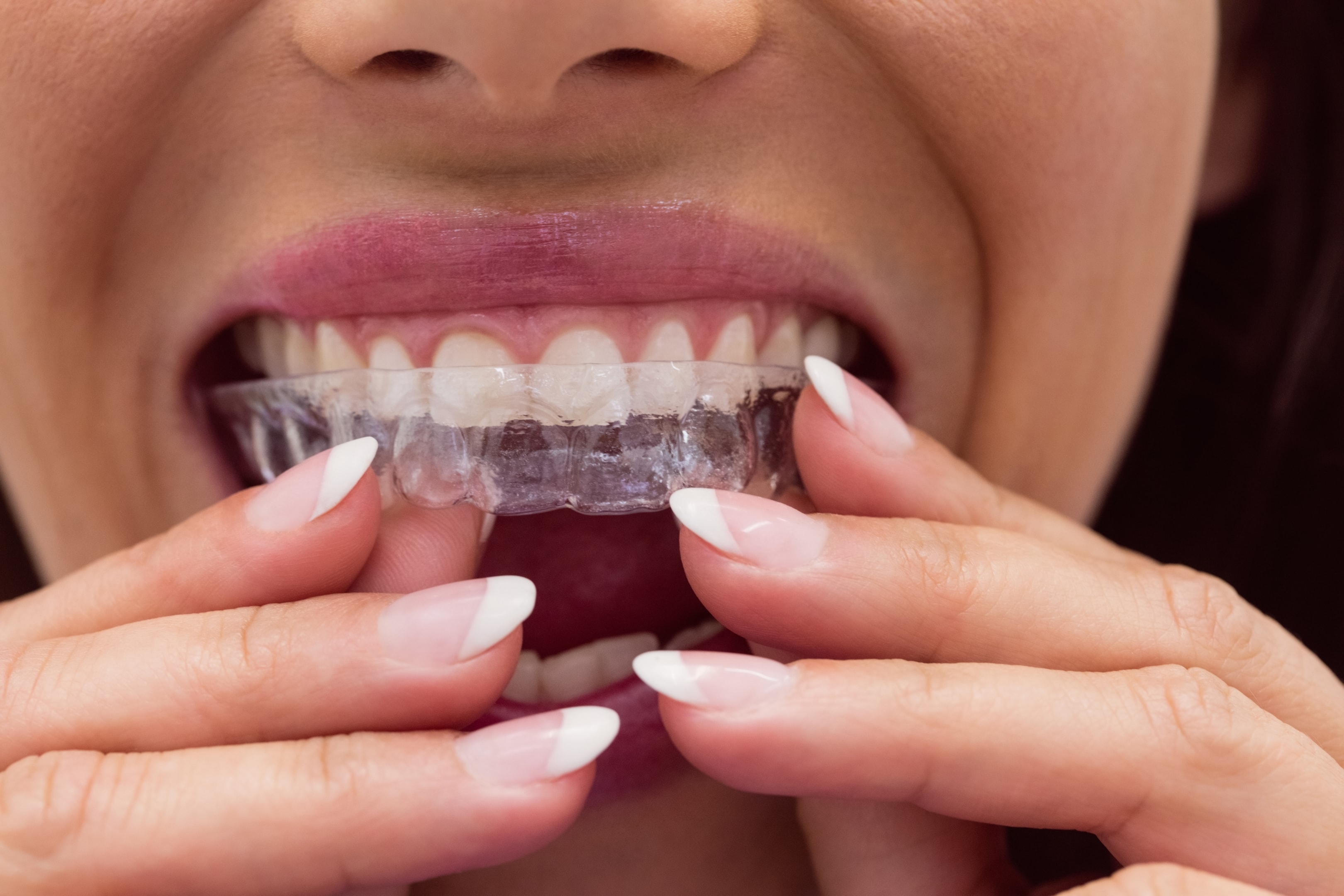
Managing Invisalign discomfort is easy with the simple steps, such as:
- Switch at Night: Put in a new set of aligners right before bed to allow your teeth to move. At the same time, you rest, as recommended by orthodontists at Dante Gonzales Orthodontics.
- Use OTC Pain Relief: Standard over the counter pain relief, like Ibuprofen, can help manage mild discomfort during the first 48 hours.
- Apply a Cold Compress: Placing a cold compress on the outside of your cheek reduces inflammation.
- Soften the edges of the aligner: If sharp edges on the Invisalign aligners irritate your tongue or cheeks, you can use an emery board to soften the edge of the aligners.
Comparing Invisalign Pain to Traditional Braces
Most clinical data show that clear aligners cause less pain overall, as there are no metal brackets to tear soft tissues. The risk of persistent pain or mouth sores is much lower, according to orthodontic experts at Dante Gonzales Orthodontics.
The gentle pressure of wearing Invisalign is more controlled and measured. Invisalign pain is usually described as a dull tightness or mild soreness.
| Feature | Invisalign Comfort | Traditional Braces Comfort |
|---|---|---|
| Pressure Type | Gradual and gentle | Gradual pressure |
| Soft Tissue Impact | Minimal irritation | Risk of cuts and sores |
| Adjustment Period | 1 to 3 days | 3 to 4 days |
| Pain Level | Mild to moderate | Mild to moderate |
What to Do If Discomfort Persists?
While mild pressure is a sign of progress, persistent pain should not be ignored. If you feel a stabbing pain or if the discomfort persists beyond a week, contact your Invisalign provider or orthodontic specialists at Dante Gonzales Orthodontics immediately. Your dentist can check for sharp edges or ensure the bite shifts are happening according to the treatment plan.
Persistent pain might suggest that the aligner tray is not sitting correctly. Using orthodontic chewies helps seat the new trays firmly, which can actually reduce discomfort by ensuring the force is distributed evenly across all teeth.
Get Expert Care From Dante Gonzales Orthodontics for a Smile You Deserve
Invisalign is not about tolerating pain, but about trusting a carefully planned transformation guided by skilled orthodontists at Dante Gonzales Orthodontics serving patients in Dublin and Tracy, CA. We combine advanced digital treatment planning with personalized orthodontic care to ensure every aligner fits accurately, moves teeth safely, and keeps discomfort minimal.